

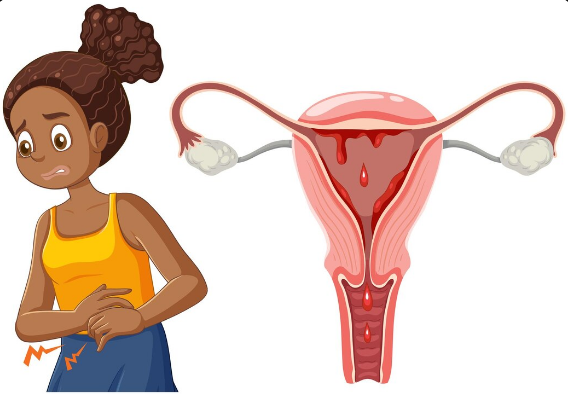
Uterine fibroids are common growths that develop in or around the uterus. They are usually non-cancerous and may vary in size, number and location. Some women have fibroids without noticing any symptoms, while others may experience heavy periods, pelvic discomfort, pressure or urinary problems.
For women searching for Homeopathic Treatment for Uterine Fibroids in Paschim Vihar, understanding the condition is an important first step. Knowing what fibroids are, what symptoms they can cause and when medical evaluation is needed can help you make informed decisions about your health.
Want a direct connection with us on Whatsapp? Click now.
What Are Uterine Fibroids?
Uterine fibroids, also called leiomyomas, are growths that develop from the muscle tissue of the uterus. They can occur in different parts of the uterus and may be very small or considerably larger.
Fibroids do not always cause problems. Their effect often depends on their size, number and location. A fibroid that causes no symptoms may simply be monitored, while another may contribute to heavy menstrual bleeding or pressure in the pelvic area.
Dr. Arhat recommends that women with persistent or unusual symptoms seek an appropriate medical assessment rather than assuming that every menstrual or pelvic complaint is caused by fibroids.
What Symptoms Can Uterine Fibroids Cause?
Some women have no noticeable symptoms. When symptoms occur, they can affect periods, the bladder, bowel movements and everyday comfort.
Heavy or Prolonged Menstrual Bleeding
One of the commonly reported symptoms is heavy menstrual bleeding. Periods may become more difficult to manage and can interfere with work, travel and normal daily activities.
Heavy bleeding over time may also contribute to iron-deficiency anaemia.
Painful Periods and Pelvic Discomfort
Fibroids may be associated with painful periods, lower abdominal discomfort or a feeling of pressure in the pelvis. Some women may also experience lower back pain.
The severity of discomfort can differ from one person to another. Persistent pelvic pain should not be ignored, particularly when it affects daily activities.
Frequent Urination
A larger fibroid can sometimes put pressure on nearby organs, including the bladder. This may lead to a frequent or sudden need to urinate.
If urinary symptoms are new or persistent, it is important to determine their actual cause rather than assuming that fibroids are responsible.
Bowel Problems
Depending on their location and size, fibroids may put pressure on the bowel. Some women can experience bloating, difficulty passing stools or discomfort during bowel movements.
Discomfort During Sexual Activity
Some women with fibroids report pain or discomfort during sex. This symptom can have several possible causes, so proper evaluation is important before connecting it specifically to fibroids.
Fertility-Related Concerns
Fibroids do not automatically cause infertility. However, depending on their location, size and effect on the uterus, they may sometimes be associated with difficulty becoming pregnant or pregnancy-related concerns.
How Are Uterine Fibroids Diagnosed?
Symptoms alone cannot confirm that a woman has fibroids. A healthcare professional may review the symptoms, perform an examination and recommend imaging when appropriate.
An ultrasound is commonly used to identify fibroids and assess their size, number and location. In some situations, additional imaging or specialist evaluation may be considered.
Dr. Arhat advises patients not to rely only on symptoms when dealing with suspected uterine fibroids. A confirmed diagnosis can help determine what options are appropriate.
Is Homeopathic Treatment for Uterine Fibroids in Paschim Vihar Suitable for Everyone?
Women considering Homeopathic Treatment for Uterine Fibroids in Paschim Vihar should first understand the available medical evidence and discuss their individual situation with a qualified healthcare professional.
Homeopathy is considered a complementary approach, but reliable evidence supporting homeopathy as an effective treatment for specific health conditions is limited. It should not be used to replace necessary medical evaluation or proven treatment.
If you are considering a complementary approach, share all treatments and products you are using with your healthcare provider. This is especially important if you have significant bleeding, persistent pain, fertility concerns or other ongoing symptoms.
When Should You Seek Medical Advice?
You should consider medical evaluation if your periods become unusually heavy or painful, pelvic symptoms persist, you develop urinary or bowel changes, or your symptoms begin affecting everyday life.
Very heavy bleeding, severe pain or symptoms associated with weakness or possible anaemia should receive prompt medical attention. Fibroids do not always require treatment, but symptoms that interfere with daily life deserve proper assessment.
Frequently Asked Questions
Are uterine fibroids cancerous?
Uterine fibroids are generally non-cancerous growths. They are different from uterine cancer. If you have unusual or persistent symptoms, proper medical assessment is still important.
Can uterine fibroids cause heavy periods?
Yes. Heavy menstrual bleeding is one of the symptoms that can occur with uterine fibroids. In some cases, prolonged heavy bleeding may contribute to iron-deficiency anaemia.
Can fibroids cause back or pelvic pain?
Yes. Depending on their size and location, fibroids may be associated with lower back pain, pelvic discomfort or a feeling of pressure.
Does every woman with fibroids need treatment?
No. Fibroids that do not cause symptoms may not require immediate treatment. Management depends on factors such as symptoms, size, location and individual circumstances.
What should I do if I am looking for Homeopathic Treatment for Uterine Fibroids in Paschim Vihar?
Start with an appropriate diagnosis and discuss your symptoms and treatment choices with a qualified healthcare professional. Homeopathic Treatment for Uterine Fibroids in Paschim Vihar should not be considered a substitute for necessary medical evaluation or evidence-based care.
Conclusion
Uterine fibroids are common growths that may cause no symptoms or may lead to heavy periods, pelvic discomfort, urinary problems, bowel symptoms and other concerns. Understanding the symptoms can help women recognise when professional evaluation may be appropriate.
For anyone researching Homeopathic Treatment for Uterine Fibroids in Paschim Vihar, the priority should be understanding the diagnosis, monitoring symptoms and discussing treatment choices carefully. Dr. Arhat encourages patients to seek appropriate medical guidance before starting or stopping any treatment.
If fibroid-related symptoms are affecting your daily life, timely evaluation can help clarify the cause and identify suitable management options. Dr. Arhat can help patients understand their concerns and discuss available healthcare approaches based on their individual situation.