

Clinic 1 -
16 LIC Colony, Paschim Vihar, Near GH 9 Market, Delhi - 110063
Clinic 2 -
E 1083 1st Floor, Saraswati Vihar Pitampura, Opposite Saral Diagnostic Center, Delhi - 110034
Intervertebral Disc Disease (IVD) is a condition in which the discs that act as cushions between the spinal vertebrae become damaged, degenerated, or herniated.
The Intervertebral Disc (IVD) is a soft, cushion-like structure located between the vertebrae (bones) of the spine. These discs act as shock absorbers, allowing the spine to bend, twist, and move smoothly while protecting the vertebrae from friction and impact. Each disc consists of a tough outer layer called the annulus fibrosus and a gel-like inner core known as the nucleus pulposus.
Healthy intervertebral discs are essential for maintaining spinal flexibility, stability, and proper posture. However, due to aging, injury, poor posture, obesity, or repetitive strain, these discs can degenerate, bulge, or herniate, leading to pain and nerve compression. Conditions affecting the intervertebral discs are commonly referred to as Intervertebral Disc Disease (IVD) or Degenerative Disc Disease.
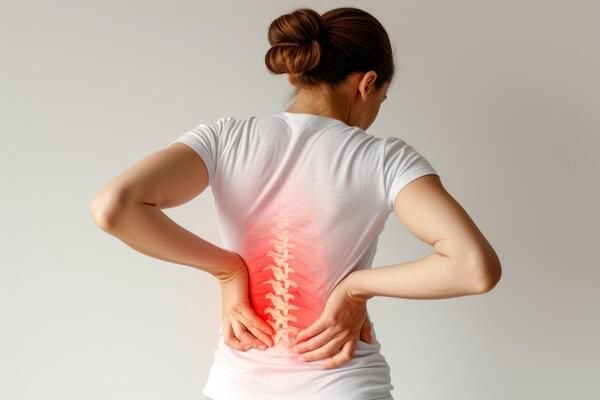
Maintaining good posture, regular exercise, a healthy weight, and proper spinal care can help keep intervertebral discs healthy and reduce the risk of spinal disorders.