If you are experiencing persistent back pain, stiffness, or numbness in your arms or legs, it could be an early indication of a spinal problem. Seeking Intervertebral Disc Disease Treatment in Rohini at the right time can help prevent the condition from worsening and improve your quality of life. At Dr. Arhat Homoeo Clinic, Dr. Arhat believes that recognizing the symptoms early is the key to effective treatment and long-term recovery.
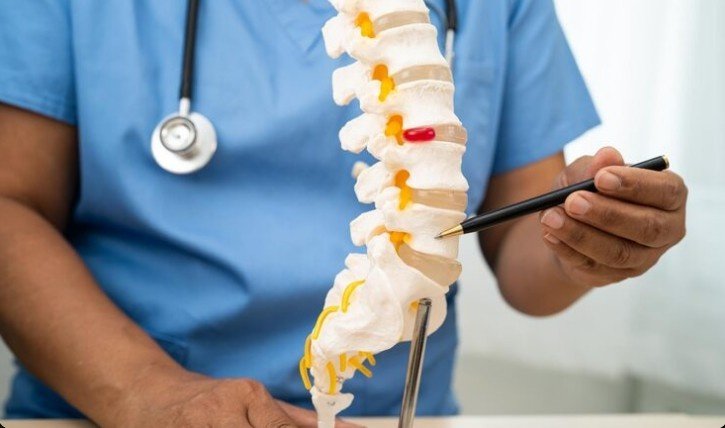
Intervertebral disc disease develops when the cushioning discs between the vertebrae begin to wear down or become damaged. These discs play an important role in absorbing shock and allowing smooth movement of the spine. When they deteriorate, they can cause pain, discomfort, and restricted mobility.
Want a direct connection with us on Whatsapp? Click now.
Understanding Intervertebral Disc Disease
The spine consists of bones called vertebrae separated by soft, gel-like discs. These discs act as natural shock absorbers. Over time, aging, injuries, poor posture, repetitive strain, or obesity can weaken these discs.
As the discs lose their flexibility or become damaged, they may bulge, herniate, or degenerate. This can place pressure on nearby nerves, leading to pain and other neurological symptoms. Early diagnosis allows patients to receive the right Intervertebral Disc Disease Treatment in Rohini before complications develop.
Early Signs You Should Never Ignore
Many people mistake the initial symptoms of disc disease for simple muscle strain. However, paying attention to these warning signs can help you seek timely medical care.
Persistent Back Pain
One of the earliest symptoms is continuous back pain that does not improve with rest. The discomfort may be mild initially but gradually becomes more noticeable during daily activities.
Pain often worsens after:
- Sitting for long periods
- Lifting heavy objects
- Bending forward
- Twisting the spine
Ignoring persistent pain may allow the condition to progress further.
Neck Pain and Stiffness
If the affected disc is located in the cervical spine, patients may experience neck pain along with stiffness. Turning the head or looking downward may become uncomfortable.
Some individuals also notice headaches that originate from the neck muscles due to increased spinal tension.
Pain Radiating to the Arms or Legs
As damaged discs begin pressing on nearby nerves, pain may travel beyond the spine.
Depending on the location of the affected disc, pain may spread to:
- Shoulders
- Arms
- Hands
- Buttocks
- Thighs
- Legs
- Feet
This radiating pain is often described as sharp, burning, or electric.
Seeking Intervertebral Disc Disease Treatment in Rohini during this stage can help reduce nerve irritation before permanent damage occurs.
Tingling and Numbness
Another common early symptom is tingling or numbness in the limbs.
Patients frequently report:
- Pins-and-needles sensation
- Reduced sensation in fingers or toes
- Occasional numb patches
- Difficulty sensing touch
These symptoms indicate that spinal nerves may be under pressure.
Muscle Weakness
Damaged discs can interfere with nerve signals that control muscles.
As a result, patients may notice:
- Weak grip strength
- Difficulty climbing stairs
- Trouble lifting objects
- Leg weakness while walking
Even mild muscle weakness should never be ignored because it may worsen over time.
Reduced Flexibility
People with intervertebral disc disease often experience stiffness that limits spinal movement.
Simple tasks such as:
- Getting out of bed
- Bending to tie shoes
- Standing after sitting
- Reaching overhead
may become increasingly difficult.
Reduced flexibility is one of the earliest indicators that spinal health is declining.
Pain That Improves and Returns
Many patients notice that their symptoms come and go.
During the early stages, pain may disappear for weeks before returning. This temporary relief often creates a false impression that the condition has healed.
However, repeated episodes usually indicate progressive disc degeneration. Consulting Dr. Arhat early can help prevent further deterioration.
Difficulty Sitting or Standing for Long Periods
People suffering from disc disease often struggle to remain in one position for extended periods.
Long office hours, driving, or standing continuously may increase discomfort.
Changing posture frequently provides temporary relief, but the pain usually returns quickly.
Who Is at Higher Risk?
Although anyone can develop intervertebral disc disease, certain factors increase the risk.
These include:
- Growing age
- Poor posture
- Sedentary lifestyle
- Heavy physical work
- Repetitive lifting
- Excess body weight
- Previous spinal injuries
- Smoking
Maintaining a healthy lifestyle significantly reduces the chances of developing spinal problems.
Why Early Diagnosis Matters
Early diagnosis offers several advantages.
When the condition is identified in its initial stages, treatment can:
- Reduce pain naturally
- Improve mobility
- Prevent nerve damage
- Slow disc degeneration
- Enhance daily functioning
- Lower the risk of surgery
Choosing Intervertebral Disc Disease Treatment in Rohini at the earliest stage often leads to better long-term outcomes.
How Homeopathy Can Help
Homeopathy focuses on treating the individual rather than simply suppressing symptoms.
At Dr. Arhat Homoeo Clinic, Dr. Arhat carefully evaluates each patient’s medical history, symptoms, lifestyle, and overall health before preparing a personalized treatment plan.
The objective is to:
- Relieve pain
- Reduce inflammation
- Improve spinal flexibility
- Support natural healing
- Enhance overall well-being
Many patients also benefit from lifestyle guidance, posture correction, and exercise recommendations alongside homeopathic care.
Tips to Protect Your Spine
Healthy habits play an important role in preventing disc problems.
You can protect your spine by:
- Maintaining good posture
- Exercising regularly
- Strengthening your core muscles
- Avoiding prolonged sitting
- Lifting objects correctly
- Maintaining a healthy weight
- Staying physically active
- Using ergonomic furniture
These simple measures can help reduce pressure on your spinal discs.
When Should You Consult a Specialist?
You should seek medical attention if you experience:
- Persistent back or neck pain
- Pain spreading to your limbs
- Tingling or numbness
- Muscle weakness
- Difficulty walking
- Loss of flexibility
- Pain lasting more than a few weeks
Ignoring these symptoms may lead to worsening spinal damage and longer recovery times.
Conclusion
Intervertebral disc disease often begins with subtle symptoms that many people overlook. Persistent back pain, stiffness, numbness, tingling, and muscle weakness should never be ignored. Early diagnosis and timely care can significantly improve recovery and prevent future complications.
If you are looking for Intervertebral Disc Disease Treatment in Rohini, consulting an experienced practitioner like Dr. Arhat can help you understand your condition and receive personalized care based on your individual needs.