

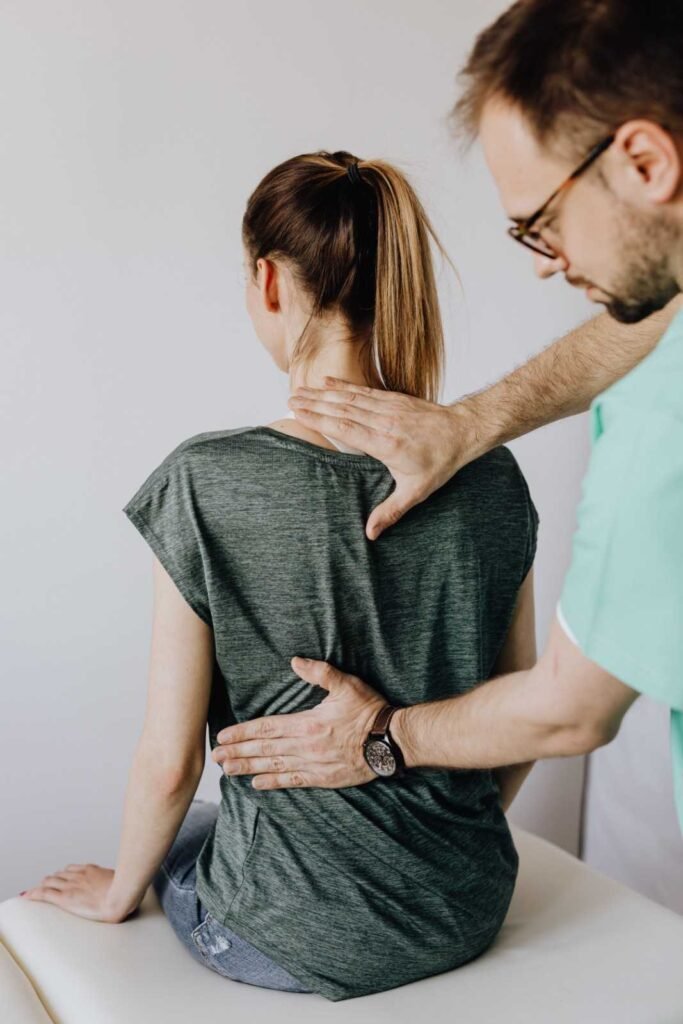
Intervertebral discs play an important role in keeping the spine flexible and absorbing pressure during everyday activities. However, these discs can become damaged, worn down, or displaced over time, leading to back pain, stiffness, and sometimes pain that travels into the legs. Understanding the causes can help you take appropriate steps before the problem affects your daily routine. If symptoms persist, seeking timely Intervertebral Disc Treatment in Paschim Vihar can help you understand the condition and available care options.
Want a direct connection with us on Whatsapp? Click now.
What Are Intervertebral Discs?
Intervertebral discs are soft, cushion-like structures located between the bones, or vertebrae, of the spine. Each disc has a tougher outer layer and a softer inner portion. Together, they help absorb shock and allow the spine to bend and move.
When a disc develops a tear, becomes weak, or moves out of its normal position, it may irritate nearby nerves. This can result in symptoms such as lower back pain, numbness, tingling, or weakness.
What Causes an Intervertebral Disc to Become Damaged?
Several factors can contribute to disc damage or displacement. Often, more than one factor is involved.
Age-Related Wear and Tear
As people grow older, spinal discs can gradually lose some of their flexibility and water content. This natural process can make the discs less effective at absorbing pressure.
Over time, the outer part of a disc may also develop small tears or become weaker. These changes can increase the possibility of a disc bulge or herniation.
Poor Posture
Sitting or standing with poor posture for long periods can place unnecessary stress on the spine. Slouching, especially while working at a desk, can affect how pressure is distributed across the spinal structures.
Maintaining a comfortable posture and taking regular movement breaks can help reduce prolonged strain.
Heavy Lifting
Lifting heavy objects incorrectly can put sudden stress on the lower back. Bending from the waist and twisting while carrying weight may place additional pressure on an intervertebral disc.
Using proper lifting techniques—such as bending the knees and keeping the load close to the body—is important for protecting the back.
Sudden Injury or Trauma
A fall, sports injury, road accident, or sudden twisting movement can sometimes damage a spinal disc. The risk may be greater when the disc has already become weaker due to age-related changes.
If severe back pain develops suddenly after an injury, medical evaluation is important.
Lifestyle Factors That May Increase the Risk
Certain everyday habits can contribute to spinal strain.
A lack of physical activity may weaken the muscles that support the spine. On the other hand, excessive or poorly performed physical activity can also put stress on the back.
Being overweight can place additional mechanical load on the spine, while smoking may affect overall disc health. Long periods of sitting, particularly without movement breaks, can also contribute to back discomfort.
For people experiencing persistent symptoms, Intervertebral Disc Treatment in Paschim Vihar can provide an opportunity to discuss the symptoms and determine whether further evaluation is appropriate.
What Symptoms Can a Displaced Disc Cause?
An intervertebral disc problem does not always cause noticeable symptoms. When symptoms do occur, they can vary depending on the location of the affected disc and whether a nearby nerve is irritated.
Common symptoms may include:
- Lower back or neck pain
- Stiffness or restricted movement
- Pain that spreads into an arm or leg
- Tingling or pins-and-needles sensations
- Numbness
- Muscle weakness
Some people may notice that pain becomes worse with certain movements, prolonged sitting, coughing, or straining.
When Should You Seek Medical Attention?
Occasional back discomfort may improve with rest and appropriate self-care. However, persistent or recurring pain should not simply be ignored.
You should consider professional evaluation if back or neck pain continues, interferes with normal activities, or is accompanied by numbness, tingling, or weakness. Dr. Arhat can assess the symptoms, consider the possible cause, and guide you regarding appropriate next steps.
Early attention may also help prevent people from relying on unsuitable self-treatment when the underlying problem requires proper assessment. For individuals looking for Intervertebral Disc Treatment in Paschim Vihar, discussing the symptoms with a qualified healthcare professional is an important starting point.
How Can You Help Protect Your Spine?
While not every disc problem can be prevented, healthy daily habits can support spinal health.
Try to stay physically active, maintain a healthy body weight, use proper lifting techniques, and avoid remaining in one position for excessively long periods. A supportive sitting arrangement can also be useful if your routine involves many hours at a desk.
Dr. Arhat also emphasizes the importance of paying attention to persistent symptoms rather than repeatedly ignoring them. Appropriate evaluation can help identify whether the discomfort is related to an intervertebral disc or another spinal condition.
Frequently Asked Questions
What is the most common reason for intervertebral disc damage?
Age-related changes are a common contributor because spinal discs can gradually lose flexibility and become less resilient. Injury, poor lifting techniques, and repetitive strain can also contribute.
Can poor posture cause a displaced disc?
Poor posture can increase stress on the spine, particularly when maintained for long periods. Although posture alone does not necessarily cause a displaced disc, it can contribute to spinal strain and discomfort.
Can an intervertebral disc problem cause leg pain?
Yes. A displaced or herniated disc in the lower spine can sometimes irritate a nearby nerve, causing pain, tingling, numbness, or weakness that travels into the buttock or leg.
Should persistent back pain be evaluated?
Yes. If back pain does not improve, repeatedly returns, or occurs along with numbness, tingling, or weakness, professional evaluation is advisable. Dr. Arhat can help assess the symptoms and recommend appropriate next steps.
Where can I seek Intervertebral Disc Treatment in Paschim Vihar?
People experiencing persistent symptoms can consult Dr. Arhat for an evaluation and guidance based on their individual symptoms and condition. The appropriate approach depends on the underlying cause and severity of the problem.
Conclusion
Intervertebral disc damage or displacement can develop due to age-related changes, physical strain, injuries, poor posture, and several lifestyle factors. Recognizing symptoms early and avoiding habits that unnecessarily stress the spine can be helpful.
If back or neck pain continues or begins affecting everyday activities, professional assessment is worth considering. Intervertebral Disc Treatment in Paschim Vihar can help patients understand their condition and explore appropriate care with Dr. Arhat. Rather than ignoring recurring symptoms, timely attention can be an important step toward better spinal health and everyday comfort.