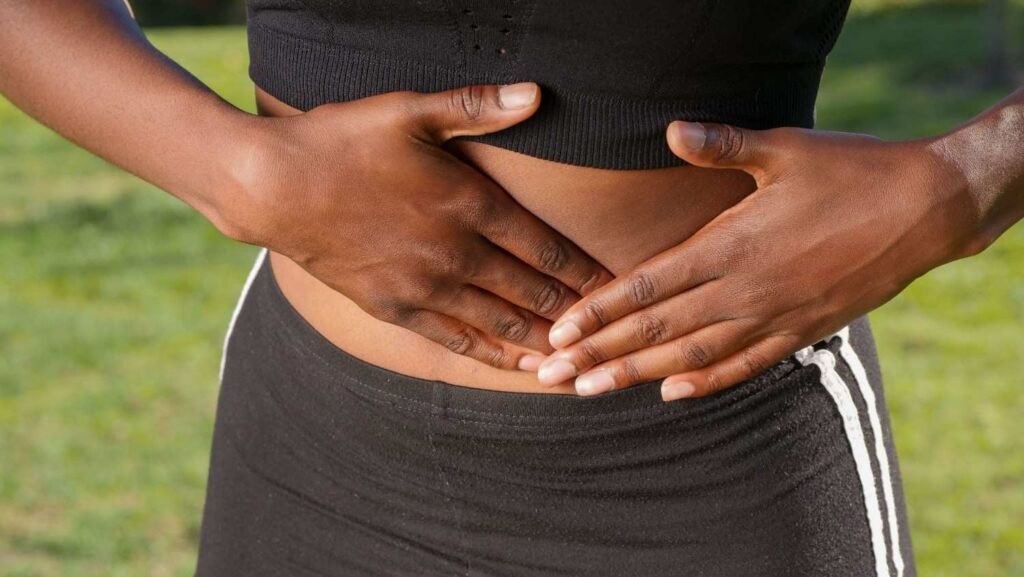
Do you experience bloating, gas, or abdominal discomfort even after eating a light meal? You are not alone. These symptoms can occur due to eating habits, food intolerances, constipation, or underlying digestive conditions. People exploring Homeopathic Treatment for Digestive Problems in Pitampura may want to understand why these symptoms keep returning and which steps can help. Dr. Arhat emphasizes the importance of identifying the cause rather than assuming that eating less will automatically improve digestion.
A light meal can still contain ingredients that trigger gas or discomfort. In addition, the way your digestive system processes food can influence how you feel after eating. Recognising common triggers is a useful first step towards better digestive health.
Want a direct connection with us on Whatsapp? Click now.
Why Do Bloating and Gas Occur After Light Meals?
Bloating is the feeling of fullness or swelling in the abdomen. Gas can cause pressure, burping, abdominal discomfort, and increased flatulence.
Your digestive system naturally produces gas as bacteria break down certain carbohydrates. You may also swallow air while eating or drinking. However, frequent or uncomfortable bloating can sometimes indicate an underlying digestive issue.
Dr. Arhat recommends paying attention to when symptoms appear, how long they last, and whether particular foods seem to trigger them.
Common Causes of Bloating After Small Meals
Eating Too Quickly
Eating quickly can cause you to swallow more air. This may contribute to burping, gas, and abdominal discomfort, even after a small meal.
Try eating slowly and chewing your food thoroughly. Avoid talking continuously while chewing, and limit fizzy drinks if they make your symptoms worse.
Food Intolerance
Some people have difficulty digesting particular ingredients. Lactose, a natural sugar found in milk and many dairy products, is one common example.
If you experience bloating, cramps, or diarrhoea after consuming dairy products, lactose intolerance may be worth discussing with a healthcare professional. Other food-related conditions can produce similar symptoms.
Keeping a food diary can help identify patterns without unnecessarily removing large food groups from your diet.
Constipation
Constipation can cause gas to build up and make the abdomen feel full. You may experience hard stools, infrequent bowel movements, or difficulty passing stool.
Drinking enough water, staying physically active, and gradually increasing suitable dietary fibre may help. However, persistent constipation should be assessed by a healthcare professional.
Irritable Bowel Syndrome (IBS)
Irritable bowel syndrome is a digestive condition that can cause recurring abdominal pain, bloating, constipation, diarrhoea, or changes in bowel habits.
Symptoms may fluctuate and can be influenced by food, stress, and gut sensitivity. A proper assessment is important because IBS symptoms can overlap with other digestive conditions.
Indigestion and Feeling Full Quickly
Do you feel full after eating only a few bites? Do you also experience nausea, upper abdominal discomfort, or frequent burping?
These symptoms may occur with indigestion, also known as dyspepsia. Some people experience problems with how the stomach relaxes after eating or how the gut and brain communicate.
Dr. Arhat recommends seeking medical advice if you regularly feel full unusually quickly, especially when the symptoms are new or worsening.
Can Stress Affect Digestion?
Yes. Stress can influence the way the gut and brain communicate. Some people notice more abdominal discomfort, changes in bowel habits, or bloating during stressful periods.
However, stress should not automatically be considered the cause of persistent symptoms. Food intolerance, constipation, and other medical conditions may also contribute.
Regular sleep, gentle physical activity, relaxation exercises, and balanced eating habits may support general well-being. Dr. Arhat encourages patients to consider lifestyle patterns while also seeking medical assessment when symptoms continue.
Homeopathic Treatment for Digestive Problems in Pitampura
People searching for Homeopathic Treatment for Digestive Problems in Pitampura may be interested in discussing recurring digestive symptoms and their daily impact.
A consultation can provide an opportunity to review symptom patterns, dietary habits, medical history, and current medicines. However, there is little reliable scientific evidence that homeopathy effectively treats specific digestive conditions. It should not replace a medical diagnosis or proven treatment.
Dr. Arhat recommends that patients discuss any complementary products with their healthcare professional, particularly if they take prescribed medicines or have an existing medical condition. Some products labelled as homeopathic may contain active ingredients and cause side effects or interactions.
For persistent bloating, appropriate medical evaluation can help identify the underlying cause and guide suitable treatment.
Practical Ways to Reduce Bloating and Gas
Small changes to your daily routine may help reduce symptoms.
- Eat slowly: Chew food thoroughly and avoid rushing through meals.
- Identify food triggers: Record what you eat and when symptoms occur.
- Stay hydrated: Drink sufficient water throughout the day.
- Move regularly: Gentle walking can support normal digestive activity.
- Limit fizzy drinks: Carbonated beverages may increase gas for some people.
- Manage constipation: Discuss suitable dietary changes and treatment with a healthcare professional.
- Avoid unnecessary restrictions: Maintain a balanced diet unless a clinician recommends specific changes.
These steps may improve comfort, but persistent symptoms need further assessment. Dr. Arhat encourages patients to focus on sustainable habits instead of relying on unverified remedies or restrictive diets.
When Should You Consult a Doctor?
Occasional gas is common. However, recurring bloating should not be ignored when it affects daily life or fails to improve.
Arrange a medical assessment if you experience persistent bloating, repeated abdominal pain, ongoing constipation or diarrhoea, or unexplained weight loss.
Seek urgent medical attention for severe or sudden abdominal pain, vomiting blood, or significant difficulty breathing. A swollen abdomen with an inability to pass stool or gas also requires urgent assessment.
Conclusion
Bloating and gas can occur even after light meals because of swallowed air, food intolerance, constipation, indigestion, or other digestive conditions. Eating smaller portions alone may not resolve the problem. Identifying patterns and obtaining an accurate diagnosis are important steps towards lasting relief.
People looking for Homeopathic Treatment for Digestive Problems in Pitampura should understand the limitations of the available evidence and avoid delaying proven medical care. Dr. Arhat encourages patients to maintain healthy eating habits, monitor recurring symptoms, and consult a qualified healthcare professional when needed. A well-informed approach can help you make safer decisions about your digestive health.
Frequently Asked Questions
Why do I feel bloated even after eating a small meal?
Possible causes include swallowing air, food intolerance, constipation, indigestion, and IBS. If the problem happens regularly, consult a healthcare professional to identify the cause.
Can drinking water help reduce bloating?
Drinking enough water may help, particularly when constipation contributes to bloating. However, water alone may not resolve symptoms caused by food intolerance or another digestive condition.
Which foods commonly cause gas?
Beans, lentils, onions, certain vegetables, dairy products in people with lactose intolerance, and fizzy drinks may trigger symptoms in some individuals. Food triggers vary from person to person.
Is homeopathy proven to treat digestive problems?
Reliable scientific evidence does not establish homeopathy as an effective treatment for specific digestive conditions. It should not replace appropriate medical evaluation or evidence-based treatment.
When should bloating be taken seriously?
Seek medical advice if bloating is persistent, repeatedly returns, or occurs with unexplained weight loss, blood in the stool, or ongoing bowel changes. Severe or sudden symptoms may require urgent care.